If you discover a damaged door or a smashed lock after a break-in, stay calm and prioritize safety. I will walk you through what a 24 hour locksmith Orlando does at night or on a weekend after a break-in, how costs break down, and which questions to ask on the scene. The guidance comes from hands-on experience with lock repair, common damage patterns after break-ins, and pragmatic choices to make under stress.
Safety-first triage for emergency locksmith calls
If forced entry is evident, prioritize people over property and remove everyone from the compromised area. Avoid disturbing the doorway, broken glass, or items on the floor because it can interfere with a police investigation and make cleanup harder. Call the police if the intruder is possibly still nearby or if belongings are missing.
Once police clear the scene or tell you it's safe to contact tradespeople, search for a 24 hour locksmith Orlando with emergency response. Prefer locksmiths who can show credentials, provide clear pricing on the phone, and have positive recent reviews. Check if the locksmith can bring common replacement locks and strike plates so repairs can finish in one visit.
How emergency locksmiths assess break-in damage
The first step is a rapid safety and frame inspection to see if the door or jamb is structurally safe to work on. Technicians look for split wood in the jamb, a mangled strike plate, or a door that no longer sits square in the frame. If the frame is badly damaged, the fix may require a carpenter or a more substantial reinforcement, not just a new cylinder.
After frame checks, the locksmith inspects the lock internals to choose between rekeying, swapping a cylinder, or full replacement. If the lock internals are intact and the concern is lost or copied keys, rekeying is an economical option. But if the cylinder is cracked, pins are sheared, or the bolt assembly is bent, the technician will recommend replacement.
How quickly an emergency locksmith can arrive and complete repairs
Response times vary, but many local 24 hour locksmiths aim to arrive within 20 to 60 minutes in urban areas like Orlando. If you call during a late-night surge or a holiday, expect the upper end of that range or a short wait for backup parts. A straightforward lock swap runs thirty to ninety minutes, but repairing or rebuilding a broken door frame can add many hours.
Special order parts for smart locks or proprietary cylinders can delay completion until the next business day unless the locksmith carries a substitute unit. To avoid surprises, ask on the phone whether the company stocks common deadbolts, keyed knobs, smart lock modules, and reinforced strike plates.
What you will likely pay for emergency lock repair after a break-in
Most invoices break out a dispatch fee, the cost of parts, and labor, with additional fees for after-hours or holiday work. Nighttime dispatch fees frequently land between $50 and $150, with higher values for longer travel distances or premium providers. A basic deadbolt cylinder commonly costs thirty to one hundred twenty dollars, but electronic locks and commercial hardware can cost several hundred dollars.
Expect installation labor to fall roughly in the seventy-five to one hundred fifty dollar per hour band during emergency service calls. When a frame rebuild is needed, the locksmith will either perform the carpentry if qualified or refer you to a carpenter with a separate estimate. Get a written estimate or a clear voicemail confirmation of price components before authorizing work when possible.
How to document damage for police reports and insurance claims
Take time-stamped photos of the damaged door, frame, lock, and any displaced items before repairs proceed, if the police allow it. Retain removed lock components in case the police or your insurer need them for evidence or appraisal. Get the technician's full identification, the company name, and a detailed invoice listing parts and labor for your claim paperwork.
Most insurance claims need a copy of the police report, photographs of damage, and a line-item invoice showing labor and parts. Check your policy for whether emergency boarding or temporary boarding is covered, since some policies pay for short-term security measures. Store the police report, repair receipts, and correspondence with the locksmith until the claim fully settles to avoid later disputes.
Trade-offs between speed, cost, and long-term security
If your budget is tight and the frame is sound, a certified grade 1 or grade 2 deadbolt offers a quick, dependable upgrade. For repeated break-in attempts, older doors, or visible rot, invest in jamb reinforcement and a longer-throw deadbolt for better resistance. Smart locks bring convenience and remote access but also require secure setup and routine firmware updates to avoid new vulnerabilities.
A good compromise after a break-in is a high-security cylinder plus a reinforced strike plate and three-inch screws in the hinge and strike locations. That combination resists common forced-entry techniques without the expense of a full door replacement. Before payment, have the technician demonstrate the installed lock, show the reinforced strike, and test the door's latching under realistic force.
Behavioral and hardware steps to lower risk of a future break-in
Adding motion-activated exterior lights and keeping shrubs trimmed removes hiding spots and increases the chance someone will spot suspicious activity. Upgrade to a solid-core or reinforced door, fit a deadbolt with a three-inch throw, and use three-inch screws in hinges and strike plates to improve resistance. A conspicuous camera or a security system sticker and a visible camera are sometimes enough to stop a casual intruder who prefers low risk.
Avoid leaving a physical spare under mats or planters, and use a keypad or temporary access codes to provide secure guest entry. If you are renting, involve the property owner in upgrade decisions so fixes meet code and lease obligations. Regularly test locks and hardware after installation and schedule a follow-up inspection if you notice unusual wear or looseness.
Choosing a trustworthy emergency locksmith under time pressure
Ask for the company's name, the technician's full name, and a vehicle description before they arrive, and verify those details when they show up. A legitimate locksmith will give a clear price range or a breakdown of call fees, parts, and labor before starting the work. If a locksmith suggests unnecessary destructive work without alternatives, consider a second opinion.
Confirm the technician's identification and company documentation, https://locksmithunit.com/kia-locksmith/ and ask if the business is insured to protect against accidental harm. When in doubt about a locksmith's authenticity, stop and verify through the official company line or the police before allowing invasive work. Honor your concern for speed, but take a moment to confirm credentials so you avoid scams or sloppy work.
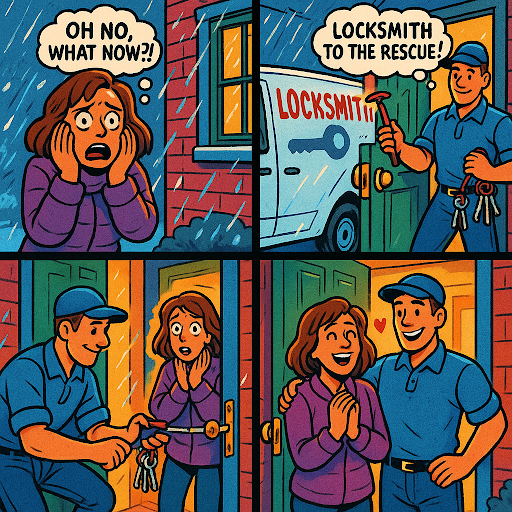
Final practical checklist for handling break-in repairs tonight
Document the scene with photographs, notify law enforcement if necessary, and move to safety until cleared. Reach out to a reputable emergency locksmith, verify their inventory of parts, and ask for an arrival window and preliminary cost outline. Collect the locksmith's ID and written invoice, save broken parts, and file the police report and receipts with your insurer.
When deciding between temporary and permanent repairs, request a clear cost-benefit explanation and a hands-on demonstration from the technician. Your optimal choice will reflect finances, the likelihood of repeated attempts, and how fast you can arrange a frame or door rebuild. When handled deliberately, an emergency locksmith visit after a break-in can restore safety quickly and set you up with stronger protection for the future.